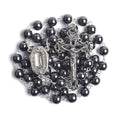

How to Bless Your Rosary or Crucifix at Home

A Step-by-Step Christian Guide to Blessing Sacred Items with Faith and Reverence
Introduction: Inviting God’s Presence into Sacred Objects
For centuries, Christians have set apart everyday objects for sacred use through blessing. A rosary, crucifix, or cross is not simply a religious item, it is a companion in prayer, a visible reminder of Christ’s presence, and a tool that helps the heart turn toward God.
A formal blessing by a priest is always encouraged and carries the full authority of the Church. However, when this is not immediately possible, believers are not left without guidance. Through sincere prayer, intention, and reverence, you can dedicate your rosary or crucifix to God at home and begin using it as a meaningful part of your spiritual life.
If you are new to the Rosary, it is helpful to begin with our complete guide to the Rosary, where the structure and meaning of this devotion are explained in depth.
Why Do We Bless Rosaries and Crucifixes?
Blessing a sacred object is not about changing the object itself—it is about dedicating it to God.
When you bless a rosary or crucifix, you are:
- setting it apart for prayer and devotion
- inviting God’s grace into your daily life
- creating a physical reminder of faith and surrender
A blessed rosary becomes more than beads, it becomes a steady guide through prayer. A crucifix becomes more than a symbol, it becomes a focal point for contemplating Christ’s sacrifice and love.

Biblical Foundations of Blessing Sacred Objects
While rosaries and crucifixes developed later in Church tradition, the principle of blessing objects is deeply rooted in Scripture.
In Acts 19:11–12, items touched by Saint Paul were used as instruments of healing. In Exodus 30:26–29, sacred objects of the tabernacle were consecrated and set apart for holy use.
These passages reveal a consistent truth: when something is dedicated to God through prayer, it takes on a deeper spiritual purpose. It becomes a vessel that points beyond itself—to God’s presence and action.
Step-by-Step: How to Bless Your Rosary or Crucifix at Home
This is not a rigid ritual, but a guided moment of intention and reverence.
1. Prepare Your Heart and Space
Find a quiet place. Take a moment of silence. You may light a candle to create a sense of stillness and focus.
2. Hold the Rosary or Crucifix
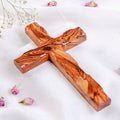
Hold it gently in your hands. Become aware of what it represents—a tool of prayer and a reminder of Christ.
3. Make the Sign of the Cross
Begin consciously, placing yourself in God’s presence.
4. Offer a Prayer of Blessing
You may say:
"Lord, I dedicate this rosary (or crucifix) to You.
May it guide my prayer, strengthen my faith, and draw me closer to You.
Bless it and all who use it, in the name of the Father, the Son, and the Holy Spirit. Amen."
5. Optional: Use Holy Water
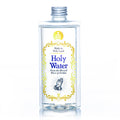
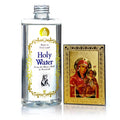
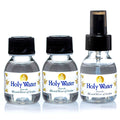
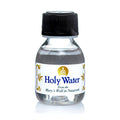
If available, lightly sprinkle the object with holy water. This is a traditional sign of purification and blessing, but it is not required.
6. Begin Using It in Prayer
The blessing becomes alive through use. Begin praying with it regularly.
If you need guidance, follow our step-by-step guide on how to pray the Rosary.
Priest Blessing vs. Personal Prayer
A priest’s blessing formally consecrates an object within the life of the Church and sets it apart for sacred use in a public, ecclesial sense. It carries sacramental authority and connects the object to the Church’s liturgical tradition, often accompanied by specific prayers and the use of holy water. For many believers, receiving a priestly blessing is a beautiful way to root their devotional life more deeply within the wider body of the Church.
A personal blessing at home, however, is still deeply meaningful. It reflects your intention, your faith, and your desire to dedicate something to God in the context of your daily life. It is a quiet act of offering, less formal, but sincere and spiritually significant. In moments when access to a priest is not immediate, this form of prayer allows you to begin using your rosary or crucifix with purpose and reverence.
Many believers begin with a personal blessing and later bring the item to a priest for formal consecration. In this way, the object carries both a personal story of faith and a connection to the Church’s sacramental life, uniting private devotion with communal tradition.
Sacred Objects from the Holy Land
For many believers, blessing a rosary or crucifix from the Holy Land carries an added layer of meaning that goes beyond the object itself. These items are not only tools of prayer, they are connected to the very places where the Gospel unfolded.
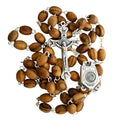
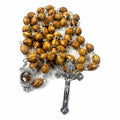
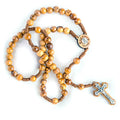
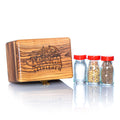
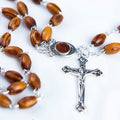
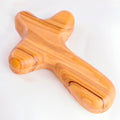
Whether made from olive wood in Bethlehem, shaped by artisans whose families have preserved their craft for generations, or enriched with elements such as holy soil or holy water from Jerusalem, these objects already carry a strong sense of origin. They serve as tangible reminders that the events of Scripture took place in real places, among real people, within history.
When you bless such an object, you are not only dedicating it to God, you are uniting your personal prayer with that sacred geography. Each time you hold it, the distance between your daily life and the life of Christ feels smaller, more immediate, more present.
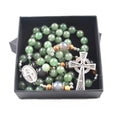
Explore our rosary collection from the Holy Land or discover olive wood rosaries crafted in Bethlehem.

A Living Practice of Faith
Blessing a rosary or crucifix is not about performing a perfect ritual, it is about offering something, and ultimately yourself, to God. It marks a beginning: a conscious decision to bring prayer more intentionally into your daily life.
Each time you hold the rosary, return to it in moments of need, or simply pause for a brief prayer, that initial act of dedication continues to unfold. What began as a single moment of intention becomes a rhythm, a habit, a quiet structure that supports your faith over time.
Gradually, the object itself takes on a deeper meaning. It carries memories of prayers said in peace and in struggle, of moments of clarity and moments of seeking. In this way, it becomes more than something you own, it becomes part of your spiritual life, shaped by repetition, presence, and grace.
Frequently Asked Questions About Blessing Rosaries and Crucifixes
Q: Can I bless my own rosary or crucifix at home?
Yes. While only a priest can give a formal Church blessing, you can offer a sincere prayer at home and dedicate the object to God. This act reflects personal devotion and intention, especially when a priest is not immediately available.
Q: Is a rosary still meaningful without a formal blessing?
Yes. The power of prayer comes from faith, not from the object itself. A blessing deepens intention, but the rosary remains a powerful tool for prayer even without it. If you are just starting, follow our guide on how to pray the Rosary to build a strong foundation.
Q: Do I need holy water to bless a rosary?
No. Holy water is a traditional and meaningful addition, but it is not required. The most important element is your prayer and intention. If you want to understand its meaning, you can explore our article on rosaries from the Holy Land and their sacred elements.
Q: Can I bless a rosary for someone else?
Yes. You can pray over a rosary and dedicate it for someone else’s use. This is especially meaningful when giving it as a gift, as it becomes both a spiritual and personal offering.
Q: Should I bless a rosary before using it?
It is recommended, but not required. Blessing helps you begin with intention and reverence, setting the tone for your prayer life from the very beginning.
Q: Can a rosary be blessed more than once?
Yes. You can pray over it again at any time, especially during moments of spiritual renewal or when returning to prayer after a period of distance.
Q: Does blessing a rosary make prayer more powerful?
The effectiveness of prayer comes from faith and sincerity. A blessing helps focus your heart and intention, making your prayer more attentive and meaningful.
Q: Can I bless other sacred items the same way?
Yes. The same principle applies to crosses, medals, or other devotional objects. You are dedicating them to God through prayer and intention.
Q: Where can I find a meaningful rosary to begin with?
If you are looking for something with deeper spiritual connection, explore our rosary collection from the Holy Land or consider an olive wood rosary crafted in Bethlehem.
Related Articles and Further Reading
Deepen your understanding of the Rosary, its meaning, and its place in your spiritual life:
-
The Rosary Explained: Meaning, History, and Spiritual Power
A complete guide to the Rosary’s origins, structure, and spiritual depth. -
How to Pray the Rosary Step by Step
A clear and practical walkthrough to help you pray the Rosary with confidence. -
Mysteries of the Rosary Explained
Explore each Mystery and how it connects your prayer to the life of Christ. -
Rosaries from the Holy Land
Discover what makes Holy Land rosaries unique and spiritually meaningful. -
Olive Wood Rosary from the Holy Land
Learn why olive wood rosaries carry deep biblical symbolism and emotional connection.
SHARE: