
Seven Meaningful Ways to Use Holy Water in Daily Life

Bringing faith into everyday moments through simple, intentional practice
Introduction: Faith That Becomes Tangible
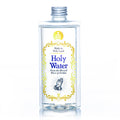
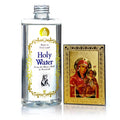
Holy water has accompanied Christian life for centuries, not as decoration, but as a lived expression of faith. From the earliest Church communities to modern homes, believers have used blessed water to mark spaces, begin prayer, and remain aware of God’s presence.
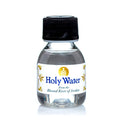
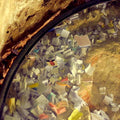
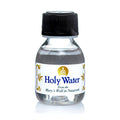
Whether drawn from the Jordan River, where Christ was baptized (Matthew 3:13–17), or from Mary’s Well in Nazareth, connected to the hidden life of the Holy Family, holy water carries both spiritual meaning and historical depth.
If you want to understand the deeper meaning behind this practice, begin with our pillar guide Holy Water: A Living Tradition of Faith, Blessing, and Presence
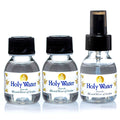
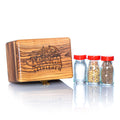
For many, keeping holy water nearby is not about ritual, it is about consistency. Small actions, repeated daily, shape a deeper awareness of God. Find out more about our Holy Water from the Holy Land collection

1. Blessing Your Home with Intention
Sprinkling holy water in your home is one of the oldest Christian practices. It reflects a simple truth: spaces can be dedicated to peace, protection, and prayer.
Begin at the entrance and move through each room slowly. As you do, offer a short prayer asking for God’s presence, protection, and peace to dwell in that space.
This is especially meaningful:
- When moving into a new home
- After difficult periods
- During seasons of renewal (such as Easter)
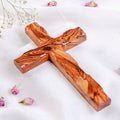
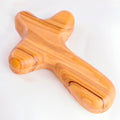
Many believers also keep a crucifix or cross nearby, reinforcing this sense of spiritual grounding.
2. A Reminder of Protection and Trust
Holy water has long been associated with spiritual protection—not as a superstition, but as a reminder of God’s authority over fear and uncertainty.
Keeping a small bottle near your bedside or entrance creates a simple habit: before sleep or before stepping outside, pause, bless yourself, and entrust the moment to God.
This act is less about the gesture itself and more about what it represents: trust over fear.
3. Beginning Prayer with Awareness
Before prayer, many Christians make the sign of the cross with holy water. This small act recalls baptism—the moment of spiritual beginning.
It shifts attention. It creates stillness.
Over time, this habit transforms prayer from routine into intention.
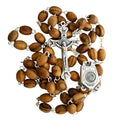
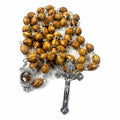
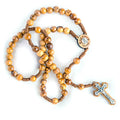
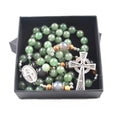
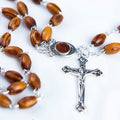
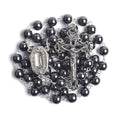
If you pray with a rosary, this moment becomes even more grounded.
For deeper understanding, see: The Rosary Explained: Meaning, History, and Spiritual Power
4. During Illness or Difficult Moments
In times of illness or emotional struggle, holy water becomes a quiet source of comfort.
Sprinkling a few drops while praying for healing or strength connects the moment to Christ’s ministry—His healing, His compassion, His presence among those who suffered.
This practice is not about immediate change, but about remaining anchored in faith during uncertainty.
5. Blessing Religious Objects and Daily Items
Holy water is often used to bless rosaries, crosses, and other devotional items. This act sets them apart, not materially, but spiritually.
A blessed object becomes more than something you own. It becomes something you return to.
You can follow a simple method here: How to Bless Your Rosary or Crucifix at Home
6. Before and After Travel
Travel has always carried uncertainty. For centuries, Christians have marked departures and returns with prayer.
Using holy water before leaving home is a way of asking for protection. Using it upon return is an act of gratitude.
Many believers choose to carry a small vial, especially when it comes from places like the Jordan River, linking their journey to Christ’s own path.
See: Jordan River Holy Water and Its Biblical Significance
7. Marking Important Moments and Seasons
Holy water is often used during key moments in the Christian life, feast days, celebrations, and family milestones.
From Easter to Christmas, from baptisms to personal prayers, it becomes a thread that connects everyday life to sacred time.
These small gestures preserve continuity, linking personal faith to centuries of Christian tradition.

Holy Water as a Daily Practice
Holy water is not meant to remain untouched or stored away.
Its purpose is lived, quietly, consistently, and with intention.
A drop on the forehead in the morning.
A brief blessing before sleep.
A pause before prayer.
These moments are simple, almost unnoticed. Yet over time, they begin to shape something deeper. They create rhythm. They train attention. They gently draw the mind back to God throughout the day.
What begins as a small habit becomes a form of awareness.
In this way, holy water is not about adding something new to your life, it is about transforming what is already there. Ordinary moments become intentional. Routine becomes presence. And presence becomes prayer.
If you want to understand the deeper meaning behind this practice, read Holy Water: A Living Tradition of Faith, Blessing, and Presence
Bringing the Holy Land into Your Daily Life
For many believers, origin carries meaning. Water drawn from the Jordan River or from Mary’s Well in Nazareth is not just symbolic, it is connected to real places, real history, and the very landscape of the Gospel.
The Jordan River marks the beginning of Christ’s public ministry.
Nazareth holds the quiet, hidden years of His life.
When prayer is paired with something that comes from these places, it often feels more grounded, less distant, more tangible.
Some believers are drawn to holy water connected to these locations because it anchors their faith in something concrete. It creates a subtle bridge between Scripture and daily life. Not dramatically. But meaningfully.
Holding water from the Jordan River or from Mary’s Well does not change the act of prayer, but it can deepen the experience of it.
Many believers choose water connected to specific biblical places—such as Jordan River Holy Water or Holy Water from Mary’s Well in Nazareth, because these origins anchor prayer in Scripture and history.

Frequently Asked Questions About Holy Water
Q: How is holy water different from regular water?
Holy water has been blessed and set apart through prayer. Its significance comes from that blessing and the intention with which it is used, not from any physical change in the water itself.
Q: How often should I use holy water?
There is no fixed rule. Many believers incorporate it into daily routines—morning, evening, or before prayer, allowing small, repeated actions to shape awareness of God’s presence. What matters most is consistency rather than frequency.
Q: Can I carry holy water with me?
Yes. Small bottles or vials are commonly used for travel, making it possible to maintain this practice beyond the home. Many people keep a small vial in a bag or car as a quiet reminder to pause and pray during the day.
Q: Is it necessary to have holy water from the Holy Land?
No, any blessed water can be used. However, many believers find deeper meaning when it comes from places like the Jordan River or Nazareth, because these locations are directly connected to the life of Christ.
Q: Can holy water be used for healing?
Holy water is often used during prayers for healing and comfort. It does not act on its own, but helps focus intention and faith. Many people combine it with Scripture, such as Psalm 23 or Psalm 91, when praying in times of illness.
Q: Can I bless my home regularly?
Yes. Some households bless their homes weekly, while others do so during liturgical seasons such as Lent or Easter, or after significant life events. Repeating this practice helps establish a sense of peace and spiritual order in the home.
Q: Where should I keep holy water at home?
Common places include near the entrance, in a prayer corner, or by the bedside—locations that naturally connect with daily routines. The goal is to make it accessible so it becomes part of daily life rather than something stored away.
Q: Does holy water lose its meaning over time?
No. However, it should be treated with respect. If it becomes unclean, it is customary to return it to the earth rather than discard it casually. Keeping it in a clean container helps preserve both its physical and symbolic value.
Q: Can I use holy water if I am new to faith?
Yes. Holy water is one of the simplest entry points into lived Christian practice. It does not require complex knowledge, only intention and openness.
Q: Should holy water always be blessed by a priest?
Traditionally, yes. A priest’s blessing sets the water apart for sacred use within the life of the Church. If you’re unsure how this works, see How to Bless Your Rosary or Crucifix at Home, which explains the difference between formal blessings and personal prayer.
Q: How can I make this practice more intentional?
Start small. Use holy water at the same moment each day, before leaving home or before sleep, and pair it with a short prayer. Over time, these repeated moments become anchors for your spiritual life. For deeper context, return to Holy Water: A Living Tradition of Faith, Blessing, and Presence.
Related Articles and Further Reading
Holy water is a practice with depth, history, and meaning. These articles expand on different aspects to help you go further:
-
Holy Water: A Living Tradition of Faith, Blessing, and Presence
A deeper look into the meaning, history, and spiritual role of holy water. -
Jordan River Holy Water and Its Biblical Significance
Understand why this location remains central to Christian faith and devotion. -
Holy Water from Mary’s Well in Nazareth
Explore the quiet historical and spiritual importance of this sacred source. -
How to Bless Your Rosary or Crucifix at Home
A practical guide to blessing devotional items with reverence and intention.
SHARE: