
What is the Holy Land? A Complete Christian Guide
Discover the Biblical, Historical, and Spiritual Meaning of the Holy Land
Where faith meets soil
When the Gospel says that “the Word became flesh and dwelt among us” (John 1:14), it points to a real location. Christianity does not float on myths; it is rooted in geography and time. The Holy Land encompasses the soil where God promised land to Abraham, where prophets cried and kings ruled, and where Jesus of Nazareth was born, taught, died and rose again. Understanding this land means reading Scripture with clarity, seeing how God’s plan unfolded in real places.
A land promised by God
The Holy Land is first defined by covenant, not tourism. God told Abraham that his descendants would inherit a specific land: “To your descendants I have given this land, from the river of Egypt to the great river, the Euphrates”. The promise was not abstract; it identified a region stretching from the wadi of Egypt eastward to the Euphrates River. God later described the land as one He himself cares for and watches over continually. From the start, the land’s holiness comes from God’s choice and presence.
Jerusalem today

Israel’s story: Covenant, kingdom and exile
Patriarchs and promise. Abraham, Isaac and Jacob lived as nomads in Canaan, trusting that God would one day fulfil His promise. Their journeys established a pattern of faith rather than conquest (Hebrews 11:9).
From slavery to inheritance. Under Moses and Joshua, the Israelites moved from slavery to ownership. Joshua told the people, “Every place where you set your foot will be yours” (Deuteronomy 11:24), linking obedience with possession.
Kings and Temple. David chose Jerusalem as his capital and Solomon built a temple there, making the city both political and spiritual centre. The temple’s destruction and the Babylonian exile underscored that the land’s blessing was tied to covenant faithfulness.
This history shows that the land is not inherently magical; it is holy because God works there and because His people either obey or disobey Him there.
The Holy Land in the life of Jesus
The fullness of the Holy Land is seen in Jesus’ life. Each site is a chapter in the Gospel narrative.
Bethlehem – The incarnation’s cradle
Prophets foretold that the Messiah would come from Bethlehem (Micah 5:2). The Gospel of Luke records that Mary “gave birth to her firstborn, a son… and laid him in a manger” there (Luke 2:7). Read more about the Birth of Jesus Christ in this article.
Today, The Church of the Nativity in Bethlehem marks this cave-like birthplace; it is one of Christianity’s most sacred sites. Built in A.D. 339 by Emperor Constantine and his mother Helena, then rebuilt by Emperor Justinian in the 6th century, it stands as one of the oldest continuously operating churches in the world. The basilica preserves the grotto where tradition holds Jesus was born and invites pilgrims to bow through the tiny “Door of Humility” as a sign of reverence.
Grotto of the Nativity

Door of Humility

Nazareth – Humble formation and annunciation
Nazareth was a small Jewish village in Roman times and is “described in the New Testament as the childhood home of Jesus”. It was here that the angel Gabriel announced to Mary that she would bear the Son of God (Luke 1:26‑38). The town’s obscurity underscores Jesus’ humble upbringing and later explains why people asked, “Can anything good come out of Nazareth?” (John 1:46). Modern Nazareth houses the Basilica of the Annunciation over the site where, according to Catholic tradition, Gabriel’s message was given.
Nazareth today

Jordan River – Baptism and holy water
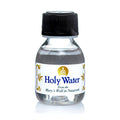
Water is a recurring symbol of cleansing in the Bible. Jesus’ ministry began when He was baptised by John in the Jordan River. The Gospel notes that as He came up from the water, heaven opened and the Spirit descended like a dove (Matthew 3:16‑17). This event, near Qasr al‑Yahud, sanctifies the Jordan as a place of rebirth. Pilgrims today still travel there to renew baptismal vows. Holy water drawn from the Jordan is treasured because it connects believers to Jesus’ baptism and earlier biblical events such as Israel’s crossing into the Promised Land.

Mary’s Well in Nazareth is another venerated water source. Tradition holds that Mary drew water here and that it is associated with the Annunciation. Water from this well symbolises purity and grace.
Mary's Well in Nazareth

Sea of Galilee – The lake of teaching and miracles
Much of Jesus’ ministry centred around the Sea of Galilee. This freshwater lake—about 13 miles long and 7.5 miles wide—lies in the Jordan Valley north of Jerusalem. Many of Jesus’ miracles and teachings occurred here: He called the fishermen disciples (Matthew 4:18‑22), calmed a storm on the lake (Matthew 8:23‑27), walked on water (Matthew 14:22‑33), fed thousands with loaves and fish (Luke 9:10‑17), and taught parables from a boat so that crowds on shore could hear. Capernaum on the lake’s northwest shore served as His base of operations and an early centre of healing. The Galilee narrative illustrates that Jesus’ mission unfolded in everyday places, fishing villages, fields and hillsides.
Jerusalem – Centre of sacrifice and resurrection
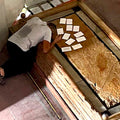
Jerusalem is the spiritual heart of the Holy Land. Prophets called people to the city; Jesus wept over it and set His face toward it. Within the Christian Quarter stands the Church of the Holy Sepulchre. Built in the fourth century under Constantine after his mother Helena identified the sites of Jesus’ death and resurrection, the church contains two central locations: Golgotha (Calvary), where Jesus was crucified, and the empty tomb where He rose. The church has been rebuilt and restored many times, but for centuries it has drawn pilgrims who want to pray at the site of the crucifixion and enter the Aedicule that shelters the tomb.
Jerusalem also hosts the Via Dolorosa (Way of the Cross) and the Mount of Olives. No other city gathers such layers of biblical history. For Christians, it is the axis of redemption. Learn more about the Christian Quarter in Jerusalem.

Sacred materials: Tangible expressions of faith
The Holy Land’s physical elements carry spiritual meaning. Scripture uses objects to convey divine truths, and modern believers continue this tradition.
Olive wood – Symbol of peace and endurance
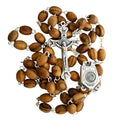
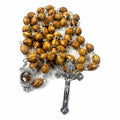
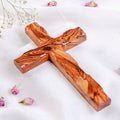
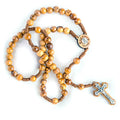
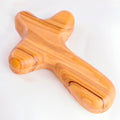
The olive tree appears throughout the Bible. After the Flood, a dove brought Noah an olive leaf, a sign that the waters were receding and reconciliation was coming (Genesis 8:11). Olive branches thus symbolise peace and new beginnings. Olives and their oil were vital for food, medicine, lamp fuel and anointing. The tree’s slow, enduring growth speaks of steadfastness; some of the oldest olive trees still stand in the Garden of Gethsemane. Psalm 52:8 compares a righteous person to a flourishing olive tree. Crafting crosses or rosaries from olive wood connects believers to this biblical heritage and to the groves around Bethlehem and the Mount of Olives. Understand better reading this article why olive wood matters

Holy water – Cleansing and covenant
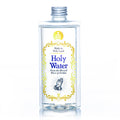
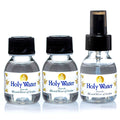
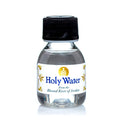
Water in Scripture often signifies purification and life. Holy water used in Christian devotion draws from two key sources in the Holy Land: the Jordan River and Mary’s Well. As noted above, Jesus’ baptism in the Jordan sanctified its waters. The river also marked Joshua’s entry into the Promised Land and Elijah’s ascent to heaven. Mary’s Well in Nazareth, associated with the Annunciation, symbolises grace. Believers use holy water to bless homes, remember their baptism and seek spiritual renewal. For a detailed look at holy water’s uses and its scriptural basis, read the article about the Holy Water Traditions Across the Christian World.

Holy soil and incense – Dust and prayer
The Bible reminds us that humans were formed from dust (Genesis 2:7). Soil from Jerusalem or Bethlehem serves as a tactile reminder of Christ’s earthly life. Incense, used in temple worship (Exodus 30:7‑9), symbolises prayers rising to God (Psalm 141:2). When believers burn incense from the Holy Land or hold soil from biblical sites, they participate physically in the story of salvation.
Pilgrimage: A living tradition
Pilgrimage is not just religious tourism, it is a spiritual discipline. Early Christians did not immediately consider specific places holy; but after Emperor Constantine’s conversion in 313 A.D., he and his mother Helena initiated a building programme that identified and commemorated sites such as Christ’s tomb and the Mount of Olives. While Rebuilding the Church of the Holy Sepulchre, a “Holy Land” emerged, giving believers a tangible geography for meditation and worship. Fourth‑century pilgrims like Egeria recorded how they read Scripture at each site and prayed there.
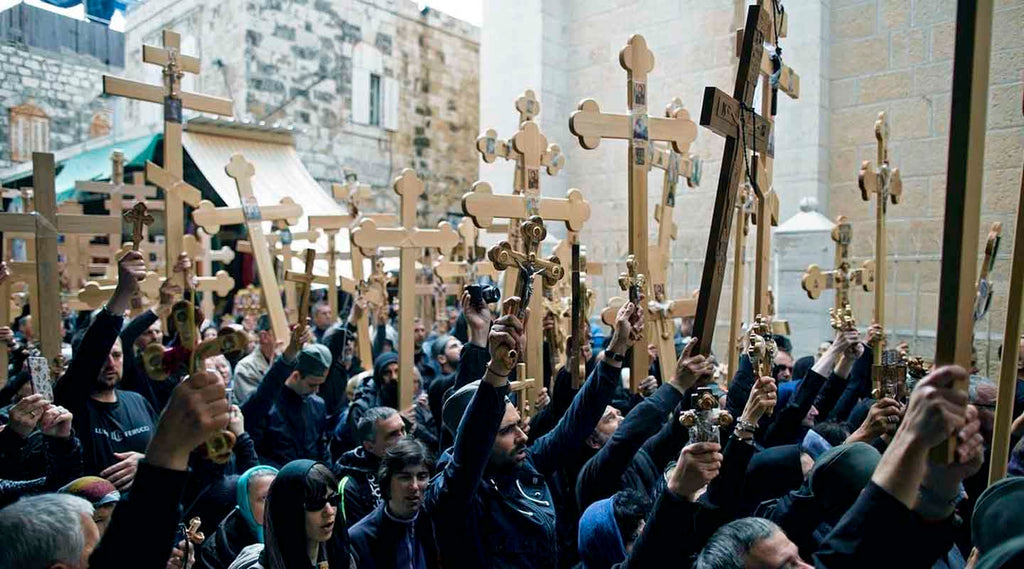
Modern pilgrims continue this practice. A Catholic travel article notes that visiting the Holy Land allows believers to physically follow Jesus’ life, standing in the Church of the Nativity in Bethlehem, praying on the shore of the Sea of Galilee and walking the Via Dolorosa. Experiencing these places transforms Scripture from abstraction to vivid reality. Pilgrimage remains a powerful way to deepen faith.
Living the Holy Land at home
Not everyone can travel to Israel, yet the Holy Land can still shape daily spirituality. Jesus told Thomas, “Blessed are those who have not seen and yet have believed” (John 20:29). Reading the Bible with an awareness of its geography, praying with an olive‑wood cross, using holy water from the Jordan or Mary’s Well, or simply meditating on the life of Christ allows believers to bring the land’s story into their homes.
Frequently Asked Questions about the Holy Land
Q: What boundaries does the Bible give for the Holy Land?
God promised Abraham’s descendants a land stretching “from the river of Egypt to the great river, the Euphrates”. This covenant established the core geography later called Canaan or Israel.
Q: Why is Bethlehem significant and what is special about the Church of the Nativity?
Bethlehem is revered because Jesus was born there. The Church of the Nativity in Bethlehem, built by Constantine in A.D. 339 and rebuilt by Justinian, marks the grotto where tradition holds the birth occurred. It is one of Christianity’s oldest continuously operating churches.
Q: What was Nazareth’s role in Jesus’ life?
Nazareth was a small Jewish village in Roman Galilee. The New Testament calls it Jesus’ hometown. Here the angel Gabriel announced His conception, and Jesus grew up in obscurity before beginning His public ministry.
Q: Why is the Jordan River considered holy water?
Jesus’ baptism in the blessed Jordan River sanctified its waters. Earlier, Israel crossed the Jordan into the Promised Land and Elijah ascended to heaven nearby. Pilgrims renew baptismal vows at the river today.
Q: What makes the Sea of Galilee central to Jesus’ ministry?
The Sea of Galilee was the backdrop for many of Jesus’ miracles and teachings. He called disciples, calmed a storm, walked on the water, fed thousands and delivered the Sermon on the Mount in its vicinity. Its fishing villages formed the heart of early evangelism.
Q: Why do Christians venerate Jerusalem and the Church of the Holy Sepulchre?
Jerusalem is where Jesus was crucified and rose from the dead. The Church of the Holy Sepulchre, built in the 4th century, encloses Golgotha and the empty tomb. For centuries pilgrims have prayed at these sites to connect with the heart of the Gospel.
Q: How did pilgrimage to the Holy Land begin?
After Constantine’s conversion, imperial building projects established churches at biblical sites. Fourth‑century pilgrims like Egeria recorded devotional visits that combined Scripture reading with prayer. Pilgrimage continues today as a tradition of spiritual renewal.
Q: What is the spiritual meaning of olive wood?
Olive trees, first mentioned when a dove brought Noah an olive leaf, symbolise peace, endurance and blessing. Olive oil served as food, medicine and anointing oil. Crosses and rosaries made from Bethlehem olive wood connect believers to this biblical heritage.
Q: Why do Christians cherish holy water from the Holy Land?
Holy water recalls baptism and is used for blessing and protection. Water from the Jordan River is prized because of Jesus’ baptism there. Water from Mary’s Well in Nazareth symbolises purity and the Annunciation.
Q: Are there other sacred elements from the Holy Land?
Soil from Jerusalem or Bethlehem reminds believers of God forming humans from dust (Genesis 2:7). Incense from the region echoes temple worship and symbolises prayers rising to God (Psalm 141:2). These tangible elements help Christians engage their senses in worship.
Q: Does one need to visit the Holy Land to deepen faith?
While pilgrimage is transformative, Jesus blessed those who believe without seeing (John 20:29). Reading Scripture, praying with Holy Land items and meditating on the life of Christ can bring the land’s reality into daily devotion.
Q: What makes the Holy Land more than a historical curiosity?
It is where God’s promises, the incarnation and the resurrection occurred. The land’s ongoing spiritual significance is upheld by Scripture and centuries of Christian worship and pilgrimage.
SHARE: